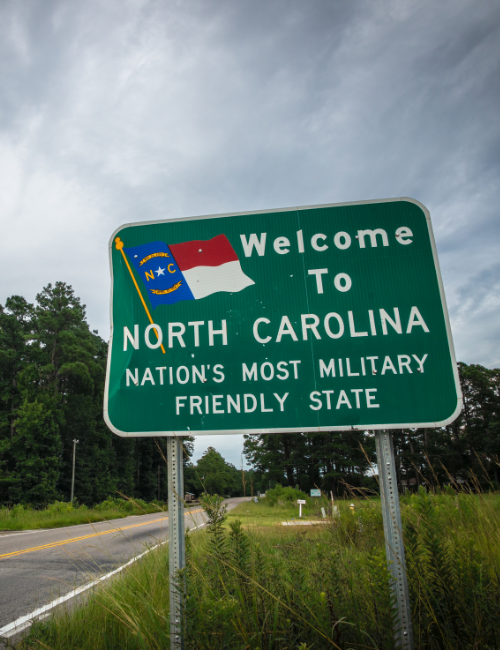

A $20,000 property tax bill doesn’t knock on the door. It shows up as a line item on a county statement, sits for a year, and then comes back as a lawsuit filed by an attorney the county hired. By then the homeowner often owes more than the equity in the house. That gap is where a short sale enters the picture, and I’ve had that talk at a lot of kitchen tables across the state.
What Happens When You Fall Behind on Property Taxes in North Carolina
Your county mails the bill in late summer. You set it aside and figure the grace period runs for years. It doesn’t. Property tax bills in North Carolina are due by September 1, and taxes paid on or after January 6 of the following year start picking up interest. From January 6 to February 1, the interest is 2 percent. After that, it adds three-quarters of one percent for each month or part of a month until the taxes, interest, and costs are paid off.
The lien itself surprises people more. Each local government that levies property taxes in North Carolina gets a lien on taxable real property in its area as of the listing date, January 1. Nobody files anything, and no court signs off.
Two years behind on a modest tax bill, the arrears have quietly eaten into your equity. The price you get has to cover what you owe before you see a dime. A short sale starts looking less like failure and more like math.
A couple of years ago I worked with a young couple in Garner who got a job transfer with five weeks to pack. Their garage still held sealed boxes from their move-in. They were also sitting on two years of late taxes and a mortgage balance that outran the home’s value. We set it up as a short sale, got their lender on board, and got them out before their start date.
Unpaid Taxes Can Turn Into a Lien and Tax Foreclosure
Picture a retired widow in Kannapolis who paid her bill late but still paid it. Four years of missed bills later, she had a county attorney’s letter and a hearing date. That slide happens faster than people expect, and it’s one of the most common paths into a short sale in North Carolina.
Under General Statutes 105-374 and 105-375, a county can foreclose the tax lien and sell the property at public auction. Call your county tax collector’s office before anyone else. They can tell you where your parcel sits in that pipeline. Our breakdown of what happens if you don’t pay property taxes in Durham walks through each stage in order.
In the in rem method, the judgment carries the same force as a superior court judgment directing the sale of the property. It also bears interest at an annual rate of eight percent. That rate stacks on top of the monthly interest that’s running, and I’ve watched it grow a $6,000 bill faster than the owner thought possible.
Tax liens sit ahead of your mortgage and nearly every other claim. Your lender knows this. Lenders and servicers often advance the tax payment themselves and bill you for it, which inflates your payoff and widens the gap you have to close.
Redemption stays open longer than sellers believe. You can stop an in-rem foreclosure by paying off what you owe before the upset-offer period ends. North Carolina law says paying the judgment in full with interest and costs cancels it.
Tax Foreclosure and Mortgage Foreclosure Are Not the Same Thing
North Carolina hasn’t sold tax liens to private buyers in decades. The state ended those sales in 1983, so no investor buys your debt at an auction and charges you a redemption rate. Your county comes after you directly. That one fact changes how a short sale works here compared with Florida or Georgia.
Mortgage foreclosure runs on its own track. The notice of sale has to be mailed at least 20 days before the sale. It also runs in the newspaper for two weeks in a row, with the last ad no more than 10 days before the sale. They’re two different processes with their own paperwork, and both can run at once on the same house.
Deficiency risk is where the two split in a way your wallet feels. North Carolina lets a lender seek a deficiency judgment when it buys the house at its own foreclosure sale for less than the total owed. You can lose the house and still owe the lender money. One exception covers seller financing. Under N.C.G.S. 45-21.38, a seller who financed the sale most often can’t chase a deficiency on that loan. A bank or other outside lender doesn’t get that protection.
A short sale lets you negotiate that risk instead of taking it on. You can ask the lender to waive any deficiency as a condition of approving the sale. Without a written waiver, the lender may keep its deficiency rights. Get it in writing or don’t sign, and any attorney handling distressed property here will tell you the same thing.
What Are Your Options When You Owe Back Property Taxes?
“Can I just make payments?” Nearly every seller asks me that first. The answer comes from your county’s collection office rather than state law. Tax payment plans, partial payments, and hardship programs vary by county. Only the person at the tax collector’s counter can tell you what’s really open on your parcel.
Refinancing works if you have equity and income. Most people who call me have neither, which narrows things fast.
Bankruptcy stops the clock for a while. I think it’s wildly oversold to homeowners whose real problem is a house they can’t afford to keep. A short sale handles the same underwater balance without the filing.
A deed in lieu is the quiet third option. It hands the property straight to the lender, which takes servicer approval and clear title. A clear title is the sticking point. With a tax lien and a second mortgage both attached, a deed in lieu often dies on the table, and a short sale moves forward instead.
Selling the usual way is still on the menu if the numbers cooperate. NC REALTORS reported statewide inventory at 5.98 months in October 2026, with the median sales price easing to $368,990 and sales volume down 19 percent from a year earlier.
Doing nothing is also a choice. It ends with the county selling your house and you getting whatever’s left, which is often nothing. Teams like Bright Home Offer exist to catch people before that point.
Can You Sell a House for Less Than You Owe in North Carolina?
An heir in Rocky Mount inherited a brick ranch with a leaking roof, three years of unpaid taxes, and a mortgage her father had refinanced twice. The payoff topped what any buyer would pay for it. She could still sell, and she did, through a short sale.
Yes, you can sell your house for less than you owe here. Your lender has to agree, and that’s the whole ballgame. Approval can get messy, since each lender sets its own paperwork and rules. Most lenders want proof that you can’t pay the loan off and that they’ll net more than a foreclosure would bring.
If more than one lien sits against the property, you may need approval from the other lienholders too. Second mortgages and HELOCs are where short sales stall.
NC REALTORS built a form just for this, a short sale addendum to the Exclusive Right to Sell Listing Agreement. It obligates the seller to pursue lender approval and hand over financial records. It also lets the broker market the property as a short sale or pre-foreclosure. Read the North Carolina Real Estate Commission’s bulletin on short sale issues before you sign anything.
One warning from experience: a short sale can collapse late. If better offers come in above the contract price, the lender may reject yours in favor of a new one or just foreclose. Build in a backup plan.
How a Cash Sale Pays Off the Tax Lien at Closing
Nobody is handing you a check for the back taxes, and nobody needs to. The closing attorney pays the county straight out of the sale proceeds before you ever touch the money. If your house is in Durham County, our guide on selling a house with a tax lien in Durham lays out three ways to clear it.
![When Your Home Sells for Less Than You Owe in market_city]](https://image-cdn.carrot.com/uploads/sites/57815/2026/11/When-Your-Home-Sells-for-Less-Than-You-Owe.png)
North Carolina is an attorney-closing state, and that helps in a short sale. Under the standard Form 2-T contract, the buyer pays for the title search, title insurance, and deed recording, and most often hires the closing attorney. That attorney orders a tax certification, confirms the exact payoff, and wires it.
Prorations get handled at the same table. Property taxes in North Carolina are prorated on a calendar-year basis to the closing day, so you cover your months of ownership and the buyer covers theirs.
Cash buyers move faster because there’s no appraisal and no underwriter. That speed matters when a hearing date is on the calendar in a tax foreclosure. A short sale with a financed buyer can miss the window. One with a funded cash buyer usually doesn’t.
The lender may accept the number, or it may counter. The NC REALTORS short sale addendum itself warns that approval can take weeks or months, so starting early beats starting perfect.
We pay the county, the lender gets its approved payoff, and the deed records are clean. That’s the whole mechanic.
Will You Buy My House in Any Condition?
A house with a hole in the subfloor and a dead HVAC takes longer or never sells at all through the MLS.
Condition is the main reason a short sale needs a cash buyer rather than a retail one. Lenders won’t finance a house that fails appraisal conditions.
I buy houses with failed septic systems, fire damage, tenants who stopped paying months ago, and roofs that have been tarped since Hurricane Helene came through the mountains. Nothing needs painting. Nothing needs cleaning out either, and I mean that; leave what you don’t want.
Older homes in places like Winston-Salem’s Ardmore neighborhood or Greensboro’s Glenwood can carry knob-and-tube wiring or failing plaster. A retail buyer’s inspector writes a four-page repair addendum. I write a number.
Deferred maintenance also changes the lender math in a short sale. When the broker price opinion comes back low because of the home’s shape, that backs your case for a short payoff. The lender’s other choice is owning the same broken house after foreclosure.
I keep seeing sellers spend their last $8,000 on repairs trying to list the usual way, then still end up in a short sale with less cash in hand. Skip the repairs.
How Do I Get a No-Obligation Cash Offer?
For years I believed a seller’s biggest worry was price. It isn’t. It’s certainty, and I was slow to understand that.
You should get an offer after one call and one walkthrough. Give me the address, the rough condition, the payoff amount, and whether a tax foreclosure has been filed. That’s enough for a real number in most of North Carolina. If your house sits in the Triangle, our We Buy Houses In Durham page shows how that works locally.
For a short sale, what I need from you is paperwork:
- Your mortgage statement
- The county tax bill
- Any letters from an attorney
Lenders also want a hardship letter and financials. Bright Home Offer puts that package together for the lender, which keeps you off hold with a loss mitigation department.
Sellers shouldn’t accept every offer, including mine. If you have real equity and a few months to spare, list it. That’s the tradeoff you’re weighing against the speed of a short sale.
No obligation means just that. Take the number to an attorney or your agent, and sit on it a week.
What Does It Cost to Sell a House in North Carolina?
Cost is most often what tips a seller toward a short sale rather than a listing. Seller closing costs in North Carolina often run 6 to 10 percent of the sale price once agent commissions are included. When you sell for less than you owe, that whole slice comes off the lender’s payoff. That’s the very thing the lender is checking.
The excise tax is small, and you can’t skip it. It’s $1.00 per $500 of price, and under G.S. 105-228.30 the tax falls on the transferor. It must be paid to the register of deeds before the deed can be recorded.
Deed preparation is yours too. Most sellers here pay their own attorney, or pay the buyer’s closing attorney a flat fee, to draft the seller documents. Ask for that fee in writing and don’t let anyone pad the line.
Commissions are the big one, and in a short sale the lender dictates what it will allow. Some servicers cap the total, and your agent may have to accept less than the listing agreement says. Have that talk up front rather than three days before closing.
Selling to cash home buyers in North Carolina strips most of this out. There’s no commission and no repair credit, and the buyer often absorbs seller-side costs as part of the sale.
| Cost | Listing With an Agent | Cash Sale |
|---|---|---|
| Agent commission | Yes, and the lender may cap it in a short sale. | None |
| Repair credits | Common after inspection | None |
| Excise tax | $1.00 per $500 of price | $1.00 per $500 of price |
| Deed preparation | The seller pays an attorney’s flat fee. | Often absorbed by the buyer |
| Back property taxes | Paid from proceeds at closing | Paid from proceeds at closing |
A landlord in Hickory watched two agent listings expire back-to-back with zero offers on a duplex. One side had sat vacant since the previous winter. The tenant in the other had stopped answering the phone. We closed in nineteen days, and the back taxes came off the HUD statement before he ever saw a wire.
What People Ask About Selling a House with a Tax Lien
“You’re just going to lowball me because I’m desperate.” I hear that, and it’s a fair thing to suspect. Check it with a second offer or a broker price opinion. In a short sale the lender runs its own value check anyway, so a lowball number gets rejected by the bank before it ever reaches you.
Sellers also ask whether the tax lien follows them personally. Under North Carolina law the lien attaches to the real property, and the sale proceeds pay it off at closing. What you still owe on the mortgage is a different question. That’s the deficiency issue your short sale approval should address in writing.
Another frequent one is credit. Does a short sale ruin it? It dings it, no question. Most people can get a normal home loan again two to four years after a short sale, based on the loan type. That beats what a completed foreclosure does to the same file.
Forgiven debt can be taxable. A short sale can bring a tax bill, since forgiven debt is most often treated as taxable income unless an exclusion applies. Talk to a CPA before closing rather than in April.
Frequently Asked Questions
Does North Carolina Charge a Tax When You Sell Your House?
Yes. The state collects an excise tax on the transfer, figured from the sale price, and pays it by the seller to the register of deeds before the deed records. That’s apart from federal capital gains tax, which only matters if you sold for more than your adjusted basis. In a short sale you’re selling for less than you owe, so capital gains almost never come into play, though forgiven debt might.
What Is the 3-3-3 Rule for Buying a House?
It’s an informal budget rule, not a law, and people define it a few ways. One common version says to spend no more than 30 percent of gross income on housing. It also calls for cash savings equal to 30 percent of the price, with a price near three times annual income. Lenders don’t use it, and plenty of buyers here can’t hit every target. If you’re on the other side of a short sale right now, it’s a useful reminder of why the last home got tight.
What Are the Three Most Important Documents in a Property Sale?
The sales contract, the deed, and the settlement statement. Your contract sets the terms, the deed moves ownership, and the settlement statement shows every dollar in and out, including the tax payoff. A short sale adds a fourth document, the lender’s written approval letter, because the sale isn’t real without it.
Can a Seller Back Out After Signing a Contract?
Not freely. A signed North Carolina contract binds you, and walking away can expose you to a claim for damages or specific performance from the buyer. Short sale contracts are an exception of sorts, since they’re contingent on lender approval. The standard addendum lets either side out by written notice if approval never comes. Have an attorney read your contract before you assume you have an exit.
Will a Short Sale Stop a Tax Foreclosure Already Filed?
It can, if you close before the court’s process runs out. Paying the judgment in full with interest and costs ends the action, and a short sale closing does just that when the proceeds cover the county’s claim. Call the attorney handling the foreclosure for your county and ask where the case stands.
If you’re sitting on back taxes, an underwater mortgage, or a house you just can’t keep, I’m happy to walk through the numbers with you. I’ll tell you honestly whether a short sale, a listing, or something else fits your case. Reach out to Bright Home Offer when you’re ready. There’s no pressure, no obligation, and no hard feelings if you decide to wait.
Helpful Blog Articles for North Carolina
- Can I Sell my House and Still Live in it
- Can You Sell a House With a Mortgage in North Carolina
- Documents Required for Selling Inherited Property in North Carolina
- Can I Sell My House and Still Live in It
- How Long Does It Take to Sell a House in North Carolina
- How Much Do Realtors Charge to Sell a House in North Carolina
- How to Take Your House Off the Market in North Carolina
- How to Sell a House With Termites in North Carolina
- Can You Sell a House With Mold in North Carolina
- What Happens If You Sell Your House for Less Than You Owe in North Carolina