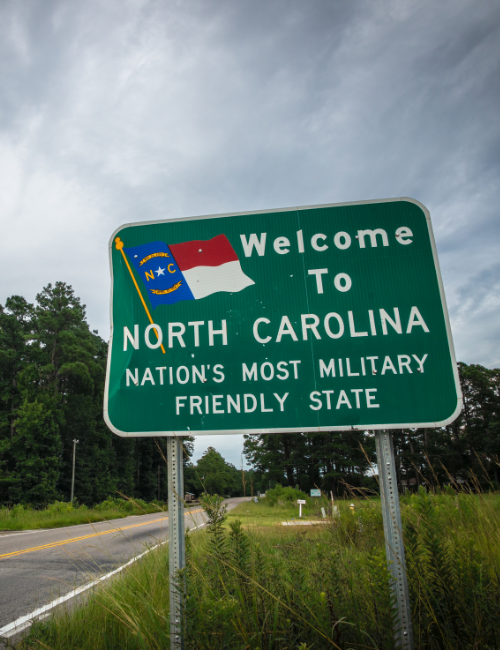

Three siblings, one brick ranch outside Greensboro, and a roof that started leaking the same month their mother’s estate opened. Two wanted to sell. One wanted to keep it as a rental. People in this spot almost always ask me the same thing first: can one person block everybody else? The answer depends on how the house is titled, whether there’s a will, and whether what you now own counts as heirs property under North Carolina law.
Who Owns the House? Start with the Deed in North Carolina
A while back a widow in Kernersville called me after almost a year of paying two mortgages. One was her own. The other was on her late mother’s house across town, and those second payments had quietly drained her savings to almost nothing.
Before anybody argues about selling, somebody needs to pull the deed. Go to the Register of Deeds in the county where the house sits and get a copy of the last recorded instrument. That one page will tell you more than a dozen family phone calls.
Look at how the owners were named. Joint tenancy with right of survivorship passes to the surviving owner automatically, and tenancy by the entirety between spouses works the same way. Tenants in common is different, and it’s where heirs property gets born. Each owner holds an undivided fractional share, and when one dies, that share goes to that person’s heirs instead of the co-owners.
Undivided matters here. Nobody owns the kitchen or the back forty. Everyone owns a percentage of the whole thing.
In North Carolina, title to real estate vests in the heirs (or the devisees under a probated will) at the moment of death, not when probate closes. Estate administration sits on top of that ownership and can reach the house in certain situations, but the ownership itself has already changed hands.
So start with the paper.
Does an Inherited House Have to Go Through Probate in North Carolina?

Skip probate when you actually needed it, and your buyer’s title company can stop everything days before closing. The closing attorney runs title, finds no estate ever opened, and can’t deliver clean title.
Not every inherited house needs full probate. If the property was held with survivorship rights or sits inside a living trust, it moves outside the estate process. One tool you’ll read about online doesn’t work here, though. North Carolina hasn’t adopted transfer-on-death deeds for real estate.
When the deceased owned the house alone, somebody usually has to open an estate with the Clerk of Superior Court in the county where they lived. The clerk’s office issues Letters Testamentary when there’s a will and Letters of Administration when there isn’t. The forms are standardized statewide through the North Carolina Judicial Branch.
Here’s where heirs property quietly forms. A family never opens probate after a parent dies. The kids keep paying the taxes for twenty years, and then one of those kids dies too, and the ownership splinters again.
Creditor notice comes into play too. Once a personal representative publishes or posts notice, creditors get at least three months from the first publication to file claims. Your estate attorney or the clerk can confirm the dates that apply to your filing.
Title insurers watch the two-year mark after death closely, and G.S. 28A-17-12 is the reason. If the creditor notice goes out within two years of death, a sale by the heirs before that notice is void against creditors and the personal representative. After the notice and until the final account is approved, the personal representative generally has to join in the deed for the sale to hold up. If the estate does open in court, our guide on selling a probate house in North Carolina walks through each step.
What Is Heirs Property and Why Does It Matter in North Carolina?
A woman in Nash County listed her late grandmother’s farmhouse, only to learn she shared ownership with eleven cousins she’d never met. I’d call heirs property one of the costliest ways to hold land in this state, and most people don’t realize they’re holding it until a buyer walks away.
The term describes land held by cotenants where at least some of them got their interest from a relative, usually with no will directing who gets what. NC State Extension counted about 40,000 parcels classified as heirs property in North Carolina as of 2023, and it found them in every county.
Partition of property here runs under Chapter 46A of the General Statutes, and that chapter has no special heirs property rules. North Carolina hasn’t adopted the Uniform Partition of Heirs Property Act. Bills to adopt it (House Bill 976 and Senate Bill 317) were filed in 2025, but neither had become law as of the General Assembly’s latest record.
Heirs property can’t be sold with one signature. Every cotenant holds a real, recordable interest, and a title company will chase all of them. Lenders won’t take it as collateral either, so nobody can borrow against it to fix the roof.
Rural farmland has been hit hard, and families with four generations on the deed can end up with dozens of names on the ownership list. City lots carry heirs property too. NC State Extension notes the land loss has fallen especially hard on Black households.
Before a court orders a forced sale, the law favors dividing the land itself. A sale happens only when the court finds that a physical division can’t be made without substantial injury, and the cotenant asking for it carries that burden. Those rules matter, because heirs property families have historically lost land through partition sales that brought far less than it was worth.
Can an Executor Sell an Inherited House in North Carolina?

“My brother is the executor, so he can just sell it and cut us checks, right?” I hear that a lot, usually from an heir who’s been told the executor holds total power. Not quite.
An executor’s authority over real estate in North Carolina comes from one of two places. The will itself may grant a power of sale. In that case the executor can sell, publicly or privately, on the terms they think work best for everyone with an interest in the estate. Without that language, the executor has to petition for authority.
That petition goes to the Clerk of Superior Court in the county where the property sits. It’s a special proceeding under G.S. 28A-17-1, and every heir and devisee has to be brought in as a party by summons. The statute ties the right to sell to paying the estate’s debts and claims, not to what one family member happens to prefer.
Heirs can push back. As parties, they can contest the petition, and a contested petition proceeds like any other special proceeding before the clerk rules.
First-time sellers get caught sideways by one feature of court-ordered sales. A private sale under a court order is open to upset bids for ten days, which means a stranger can top your contract price before the clerk confirms it. Plan your timeline around that. Pierce Law Group’s probate resource walks through the documents required.
An executor’s commission in North Carolina is set by the clerk and capped at five percent of the receipts and disbursements. When real estate sells to pay debts, that base shrinks to the proceeds actually applied to those debts.
None of this applies cleanly to heirs property with no open estate. With no personal representative, nobody holds executor authority, and the heirs have to act together or go to court.
Do All Heirs Have to Agree to Sell Property in North Carolina?
Families walk into my office believing a majority vote settles it. Three out of four siblings want out, so the sale happens. That’s not how cotenancy works. A buyer who signs with only three of four cotenants gets three-quarters of a house, and no title company in North Carolina will insure that. So the practical answer is yes, a voluntary sale of heirs property needs every owner’s signature.
Any cotenant can file a partition proceeding in superior court in the county where the land lies. The proceeding lets a judge outvote one unwilling sibling, even when the family can’t.
The court’s job is choosing a method: actual partition (physically dividing the land), a partition sale, or a mix. Attorney fees that benefit everyone get split among the cotenants by ownership share, so the person who dug in pays part of the bill too.
That fact usually ends the standoff.
Families are often told to file partition quickly to force a resolution. I’d exhaust the buyout conversation first, because a cotenant who feels pushed will spend money purely to be difficult, and the house deteriorates the whole time.
A reluctant heir who gets a fair price for their fractional interest often signs the deed happily the next week. When the heirs would rather skip repairs and showings, you can sell your home for cash in North Carolina and pick a closing date that works for everyone.
How Estate Debts Affect an Inherited Home Sale in North Carolina
“Do I inherit Mom’s credit card bills?” No. You don’t personally owe them, but her estate does, and the house can be pulled in to pay them.
A mortgage stays attached to the heirs property, and the lender doesn’t care who’s sleeping there. Payments stop, foreclosure starts, and I’ve seen inherited houses in North Carolina lost to lenders while heirs were still arguing about furniture.
Unsecured claims run through the estate. If cash and personal property cover them, the house stays out of it. When they don’t, the personal representative may petition the clerk to sell real property to pay them, and that petition can reach a house the heirs already own.
Property taxes don’t pause either. North Carolina bills come due September 1 and start drawing interest on January 6, and the lien sits on the land no matter whose name is on the deed now. Your county tax office can tell you exactly where an inherited parcel stands.
Reverse mortgages deserve their own flag. Those loans come due after the last borrower dies. Once heirs property owners get the due and payable notice, they usually have 30 days to pay it off, sell, or hand over the keys, and that window can stretch to six months.
Insurance is the quiet risk. A vacant inherited house often falls outside the old policy’s coverage, and one kitchen fire in an uninsured heirs property can wipe out the whole inheritance. Call the carrier, tell them the owner died, and say the home is empty.
Common Challenges When Selling an Inherited House in North Carolina
A woman I worked with split a house four ways with her siblings and thought the paperwork would be the hard part. Wrong. The legal work is tedious but solvable. Family dynamics are what stall closings.
Deferred maintenance stacks up fast in a house nobody lives in. North Carolina humidity finds every crawlspace, so vacant houses grow mold, pests, and busted pipes on a schedule. A home that was fine at the funeral can need twenty thousand dollars of work by the next spring.
The market isn’t rushing anyone either. NC REALTORS’ October 2026 report put the statewide median sales price at $368,990, with 5.98 months of inventory and sales volume down 19 percent from a year earlier. Balanced markets like that are kind to buyers and slow for sellers.
Carrying costs pile on pressure when several heirs share them. Add listing time to contract-to-close time, and an heirs property listing can run months before anyone sees money. Sellers who price on last year’s comps tend to find that out the hard way.
Distance slows the whole process down. Picture one cotenant in Asheville, one in Fayetteville, and one who moved to Texas, with every document needing notarized signatures from all three.
Then there’s grief. The sibling who grew up in that bedroom isn’t being unreasonable. They’re grieving. Give them time, and if the house needs work nobody has the energy for, remember that we buy houses in Durham as-is, so no one has to clear out that bedroom before they’re ready.
Step-by-Step Process for Selling Inherited Property in North Carolina
Most guides skip the heir search. Before anything else, somebody has to build a family tree and confirm who holds an interest, because a missed half-sibling can unwind a closing years later.
Next, open the estate with the Clerk of Superior Court if the house didn’t pass outside probate. The North Carolina Judicial Branch publishes the estate forms and lists every county clerk’s office.
Once letters are issued, get a value. An appraisal or a broker opinion helps establish the stepped-up tax basis, and it gives the family a number to argue about with facts instead of feelings.
Then put the agreement in writing. Every cotenant signs it, and it spells out the minimum acceptable price and who pays carrying costs until closing.
A traditional listing usually brings the highest gross price on a clean, updated home in a strong submarket. An as-is cash sale makes more sense on a dated property with several heirs and real carrying costs. That’s where Bright Home Offer tends to fit, since we buy without repairs, showings, or financing contingencies. You don’t have to empty the house before selling to a cash buyer, either. I’ve closed on heirs property with furniture, tools, and forty years of paperwork still inside.
Last, get every signature to the closing attorney early. Attorneys handle the title work and most of each closing in North Carolina. Giving that office two weeks with an heirs property file prevents the panic that otherwise shows up on closing day. Our list of documents needed to sell an inherited house in North Carolina shows what to pull together first.
Get a Free Cash Offer on Your North Carolina Inherited Home
Four cousins inherit a duplex, can’t agree on what to do with it, and a tax bill sits unpaid. Picture the other end of that story: a signed agreement, one closing, four checks, and a Thanksgiving where nobody argued.
A seller in Rocky Mount told me she’d watched two agent listings expire without a single offer on her late aunt’s house. The garage still held the aunt’s canning jars and a lawn mower that hadn’t run since the Clinton administration.
That pattern repeats across North Carolina more than you’d think. We hear it from families looking for cash home buyers in Rocky Mount and from heirs trying to sell a house fast in Greensboro. Selling as-is to a direct buyer isn’t settling. It’s matching the house to the buyer who wants it most.
If your family is sitting on heirs property and the carrying costs are grinding, a cash offer at least gives you a real number to compare against a listing. We put ours in writing with no obligation attached. You can reach out to Bright Home Offer for a free cash offer on any inherited home across the state.
One more suggestion before you decide anything: talk to a North Carolina estate attorney, even for a single paid hour. Money spent confirming who owns what is the cheapest money in this whole process.
Frequently Asked Questions
What Does Heirs Property Actually Mean?
Heirs property is real estate held by several co-owners who inherited their interests from a relative, usually without a will directing the split. Each owner holds an undivided fractional share of the whole property rather than a specific piece of it. Since a voluntary sale needs every cotenant’s signature, heirs property often sits unsold for decades while taxes and maintenance pile up.
Does Real Estate Always Have to Go Through Probate Here?
Not always. Property held with right of survivorship, owned by spouses as tenants by the entirety, or titled in a living trust passes outside the estate process. When the deceased was the only owner on the deed, someone generally needs to open an estate with the clerk in the county where they lived. Your closing attorney can tell you quickly whether the title company will require it.
Can an Executor Sell a House Without the Heirs Agreeing?
Sometimes, yes. If the will gives the executor a power of sale, they can sell without asking the heirs for permission. Without that language, the executor files a special proceeding with the clerk, and every heir is brought in as a party. Heirs can contest the petition before the clerk orders a sale.
What Does a Child Inherit When a Parent Dies Without a Will in NC?
It turns on whether a spouse survived and how many children there are. Under G.S. 29-14, a surviving spouse takes a one-half undivided interest in the real property when there’s one child (or the descendants of one deceased child). With two or more children, the spouse takes one-third. The children split what’s left, and with no surviving spouse, they take the whole intestate estate.
Can One Sibling Stop the Sale of Heirs Property?
They can block a voluntary sale, since every cotenant has to sign the deed. They can’t block the outcome forever. Any cotenant may file a partition proceeding and ask the court to divide the land or order a sale. Fees that benefit everyone get shared by ownership, so a holdout usually pays a share of the bill for the delay.
Should We Fix the House Up First or Sell It As-Is?
If the home is in solid shape and the family can comfortably cover the mortgage, insurance, and taxes through a listing period, renovating and listing usually nets more. When the roof is bad, the heirs live in different cities, and nobody wants to manage contractors from four hours away, an as-is sale is just arithmetic. Get both numbers before you choose.
Sorting through an inherited home anywhere in North Carolina? We’re glad to listen and talk it through, since we’ve handled plenty of these before. No pressure, no obligation, and no hard feelings if you decide to list it instead.
Helpful Blog Articles for North Carolina
- Can I Sell my House and Still Live in it
- Can You Sell a House With a Mortgage in North Carolina
- Documents Required for Selling Inherited Property in North Carolina
- Can I Sell My House and Still Live in It
- How Long Does It Take to Sell a House in North Carolina
- How Much Do Realtors Charge to Sell a House in North Carolina
- How to Take Your House Off the Market in North Carolina
- How to Sell a House With Termites in North Carolina
- Can You Sell a House With Mold in North Carolina
- What Happens If You Sell Your House for Less Than You Owe in North Carolina
- Do All Heirs Have to Agree to Sell Property in North Carolina
- How Much Does It Cost to Stage a House in North Carolina
- How to Sell a Rental Property Without Paying Taxes